The Challenge of Desert Night Panoramas
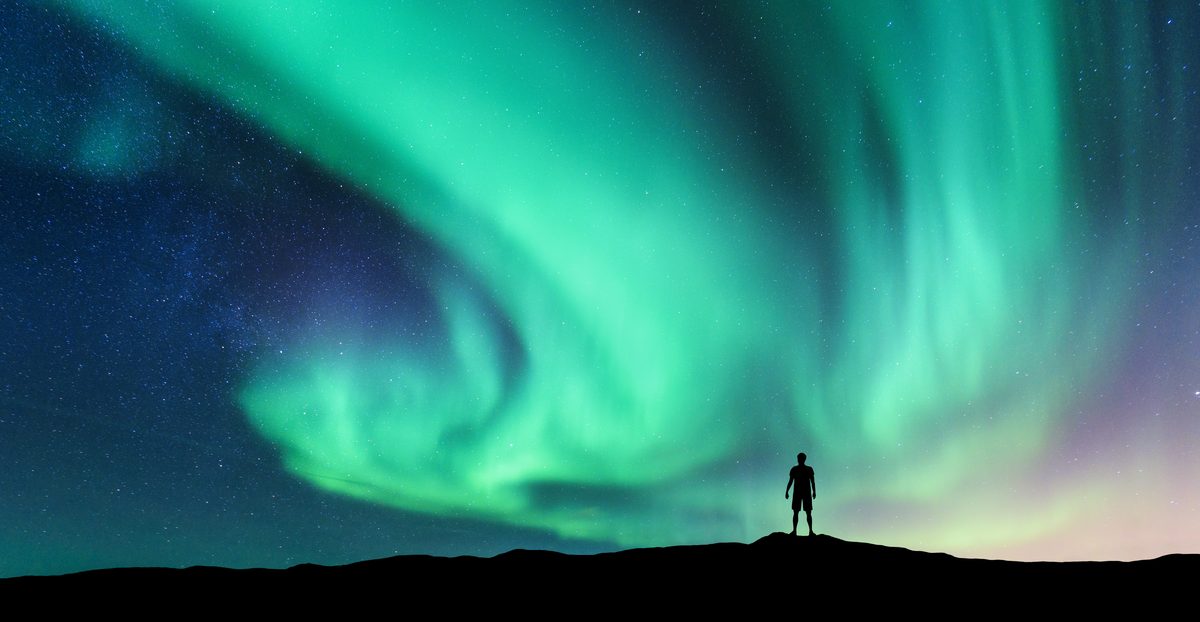
When I set out to capture panoramic night skies across Joshua Tree National Park, I knew I was facing a fundamental compositing problem: how do you create expansive, detailed images when your equipment has natural field-of-view limitations? The surreal rock formations and Milky Way demanded something beyond what a single frame could deliver.
The answer wasn’t rocket science, but it did require rethinking my approach to both capture and post-production workflow.
Breaking Down the Gear Strategy
Rather than invest in specialized panoramic equipment, I worked with what I already had—a sturdy ball head mounted on a solid tripod. This equipment choice surprised some colleagues, but the real magic happens during the compositing phase anyway. What matters most during capture is consistency and precision in your framing overlap.
I carefully selected lenses that would give me enough detail in the night sky while remaining manageable for stitching. The key insight here is that panorama compositing software has become remarkably intelligent about aligning overlapping frames, but it still needs clean input files to work with.
The Capture Process Matters More Than You Think
The physical act of capturing multiple frames is where most photographers stumble. I developed a methodical process: establish your first frame, then rotate incrementally with consistent overlap between shots—roughly 20-30% of each frame’s width should repeat in the next. This redundancy is crucial for compositing algorithms to find matching features.
For night photography specifically, I locked in manual exposure settings before beginning any rotation. There’s nothing worse than returning home with a sequence where brightness varies between frames. That inconsistency becomes obvious and frustrating during the stitching phase.
Two Game-Changing Discoveries
During my work, I discovered that shooting in RAW format made the compositing process exponentially smoother. The latitude I gained in post-production allowed me to match exposure and color across overlapping regions far more convincingly than JPEG files ever could.
Second, I learned that slightly underexposing my night captures actually helped during alignment. Darker frames preserved more Milky Way detail, and the compositing software had an easier time matching the star patterns across multiple images.
The Final Composite
What emerged from this process were panoramic images with extraordinary detail and dimension—something that single frames simply cannot achieve. By respecting the constraints of my equipment while leveraging modern compositing capabilities, I created something greater than the sum of my individual shots.
The real lesson? Sometimes the best panoramas aren’t about having the fanciest gear. They’re about understanding how capture and composition work together to create something genuinely surreal.
Comments
Leave a Comment