I can forgive a slightly rough mask. I can overlook a minor color mismatch. But I cannot unsee mismatched light direction. It is the single fastest way to destroy a composite’s believability, and it’s the mistake I see most often.
Reading Light Direction
Every photograph contains clues about where the light is coming from. Before you do anything else with a source image, you need to read those clues.
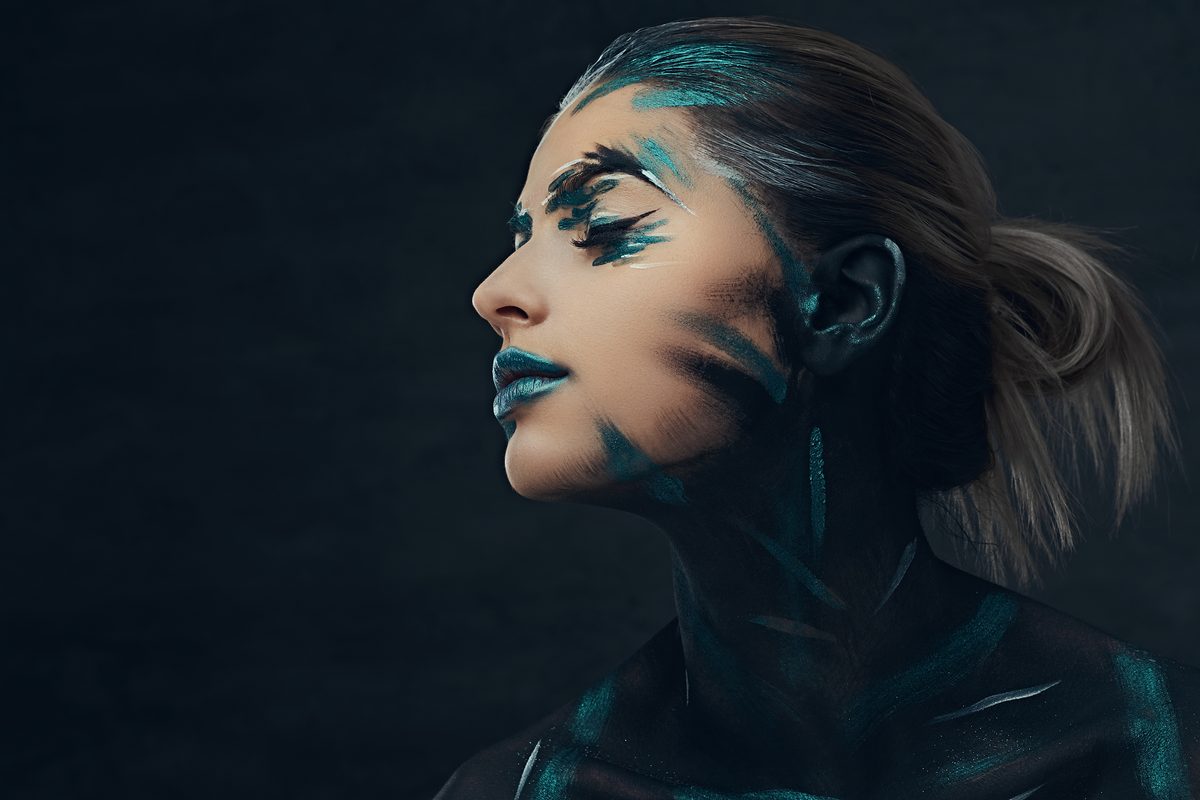
Highlights and shadows on the subject are your primary indicators. The bright side of a face, the lit edge of a building, the gleam on a car hood — these all point back toward the light source. Shadows fall opposite the light. A shadow falling to the right means the light is coming from the left.
Cast shadows are even more informative. They tell you not just the horizontal direction of the light, but the vertical angle. Long cast shadows mean low-angle light. Short, compact shadows mean overhead or high-angle light. The shape and softness of cast shadows also reveal whether the light source is hard (direct sun, bare flash) or soft (overcast sky, large diffuser).
Specular highlights — the small, bright reflections on shiny surfaces — pinpoint the light source with precision. On a sphere, the specular highlight sits at exactly the angle where light reflects toward the camera.
The Analysis Process
When I’m planning a composite, I diagram the light for every element before I open Photoshop.
For the background, I identify: Where is the primary light source? What direction is it coming from relative to the camera? Is it above, level, or below the horizon? Hard or soft?
For the subject, I ask the same questions. Then I compare.
If my background has warm, low-angle light coming from the right side, my subject needs to show the same — highlights on the right, shadows on the left, a warm color temperature, and long cast shadows.
When Elements Don’t Match
You have three options when light direction conflicts.
Flip the subject horizontally. This is the simplest fix. If your subject is lit from the left but needs to be lit from the right, a horizontal flip solves the direction problem instantly. Just watch for text, logos, or asymmetric details that will look wrong reversed.
Relight with dodge and burn. This is the manual approach and it works well for moderate mismatches. You darken the side that should be in shadow and brighten the side that should catch light. Use curves adjustment layers with masks for more control than the dodge and burn tools provide.
Reshoot or find different elements. Sometimes the mismatch is too severe. A subject lit by soft frontal light cannot be convincingly placed into a scene with dramatic side lighting through dodge and burn alone. Know when to go back to the source.
Matching Light Quality
Direction is only half the equation. Light quality — how hard or soft the light is — must also match.
Hard light creates sharp-edged shadows with rapid transitions from light to dark. Soft light creates gradual transitions and diffused shadow edges. Placing a soft-lit subject into a harsh-lit background creates an immediate visual conflict.
Study the shadow edge transitions in your background. Are they crisp and well-defined? Then your subject needs similarly defined shadow edges. Are they gradual and soft? Then a hard-lit subject will look pasted in.
Practical Tips
Shoot your composite subjects with adjustable lighting whenever possible. I keep detailed notes about the light direction and quality in every background I plan to use. When I photograph subjects for compositing, I match those conditions as closely as I can during the shoot.
For found images and stock photography, learn to read light before you download. I reject far more stock images for incompatible lighting than for any other reason. Five minutes of analysis before you start saves hours of impossible correction later.
Light direction matching is not glamorous. It’s analytical, methodical work. But it is the foundation that every other compositing technique builds upon.
Comments (3)
The masking techniques here are next level. I use similar approaches for hair extraction in my beauty work.
Been doing this wrong for years apparently. Thanks for the correction!
Thanks Lisa Wong! Glad you found it helpful.
Leave a Comment