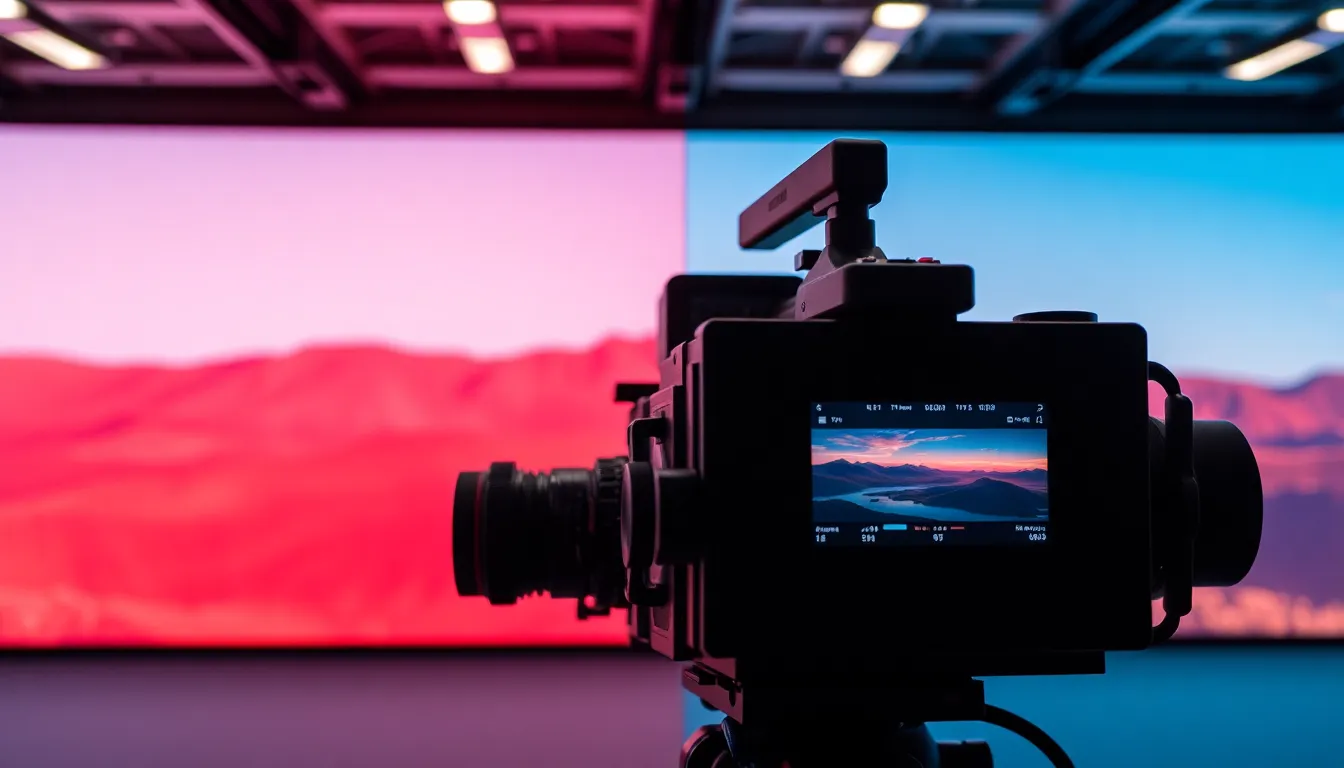
The Color Matching Problem: Why Your Composites Look Fake (And How to Fix It)
I spent three hours perfecting a composite last week—blending a portrait subject into a landscape, adjusting shadows, refining edges. When I stepped back, something felt deeply wrong. The subject looked pasted in, disconnected, like they existed in a different world entirely. The culprit wasn’t bad selection work or poor blending. It was color.
This is the invisible killer of composite work. Even when your selections are flawless and your lighting logic is sound, mismatched colors will betray you instantly. I’ve learned that color matching isn’t a finishing touch—it’s foundational. Let me walk you through how I approach it now.
The Real Problem: Light, Not Color
Here’s what took me years to understand: you’re not actually matching colors. You’re matching light sources.
When I pull a portrait into a landscape scene, the portrait was lit by studio strobes or window light. The landscape was lit by sunlight from a specific direction at a specific time. These create fundamentally different color temperatures, saturation levels, and contrast ratios. My job is to convince the viewer that both elements existed under the same light.
Before I touch any color adjustment tool, I study the light. Where is the key light coming from in the background? What color is it? Is it warm, cool, or neutral? What’s the fill light doing? This detective work prevents me from chasing color corrections that won’t solve the real problem.
Start With Color Temperature
The first adjustment I always make is white balance. This alone fixes 60% of matching issues.
In Photoshop, I open the Curves or Levels adjustment on my composited element and ask: is this warmer or cooler than the background? If my subject was photographed indoors under tungsten lighting and I’m placing them in daylight, they’ll read noticeably orange compared to their surroundings.
I use the Color Temperature slider (in Camera Raw Filter or Levels) to shift the kelvin value. If the background reads around 5500K (daylight), I’ll adjust my subject to match. The key is subtlety—a 300-500K shift usually feels natural, while jumping 2000K looks overcorrected.
Saturation Is About Atmosphere
After temperature, saturation reveals whether your elements belong together.
I’ve noticed that outdoor daylight scenes saturate colors differently than indoor environments. Landscapes typically show rich, natural saturation. Portraits shot indoors often feel slightly desaturated by comparison. To match them, I’ll reduce overall saturation on the portrait by 10-15%, then selectively boost skin tones to maintain liveliness.
Use Hue/Saturation adjustments on specific color ranges. If the background has muted greens and cool blues, I’ll reduce reds and yellows in my subject to echo that atmosphere.
The Skin Tone Adjustment
Skin tones demand their own strategy. They’re highly visible and viewers instinctively know when they’re wrong.
I create a new Curves adjustment and work exclusively in the midtones. The goal isn’t to match skin tone exactly—it’s to match the undertone temperature and the highlight behavior. If the background casts a cool blue-gray light on faces, I’ll add a subtle cyan-blue curve to the shadow areas of my subject’s face while keeping highlights warmer and more neutral.
The trick: use the eyedropper tool in adjustment dialogs to sample both the background and your subject, then split the difference.
Final Check: Squint Test
Before I call a composite done, I zoom out to 50% and squint at the image. Squinting removes fine detail and reveals whether the overall color harmony works. If your eye immediately catches the composited element as “wrong,” color matching needs more work.
Color matching isn’t magic—it’s systematic correction based on understanding light. Master these fundamentals, and your composites will feel authentic rather than assembled.
Comments
Leave a Comment