
Every composite artist I know has a folder somewhere full of reference images pulled from stock libraries. I have one too. Several, actually. And like most working artists, I spent years treating stock photography as raw material without thinking much about the other side of the transaction: the photographers who shot those images, the licenses that govern them, and the genuinely strange places those photos end up.
That blind spot closed for me after watching Tony and Chelsea Northrup’s candid breakdown of their own stock photography experiences. Watch the full tutorial on YouTube. What they share is less a technical walkthrough and more a field report from two photographers who have been deep inside the stock world, seen their own faces appear on billboards in Lebanon and book covers for titles they never approved, and lived to find it genuinely funny. For anyone who shoots, licenses, or composites with stock imagery, the lessons here are practical and immediate.
The Northrups built part of their early career on stock photography, shooting wildlife and then commercial work through the microstock boom. They describe what stock photography actually is with unusual clarity: you photograph something you believe has commercial value, upload it to a platform, and then let the market decide. A designer finds it, drops it into a layout, and your image is now telling a story you never intended. Understanding that process from the supply side has changed how I think about asset selection, model releases, and the ethical weight of compositing work.
Step 1: Understand What Stock Photography Actually Is
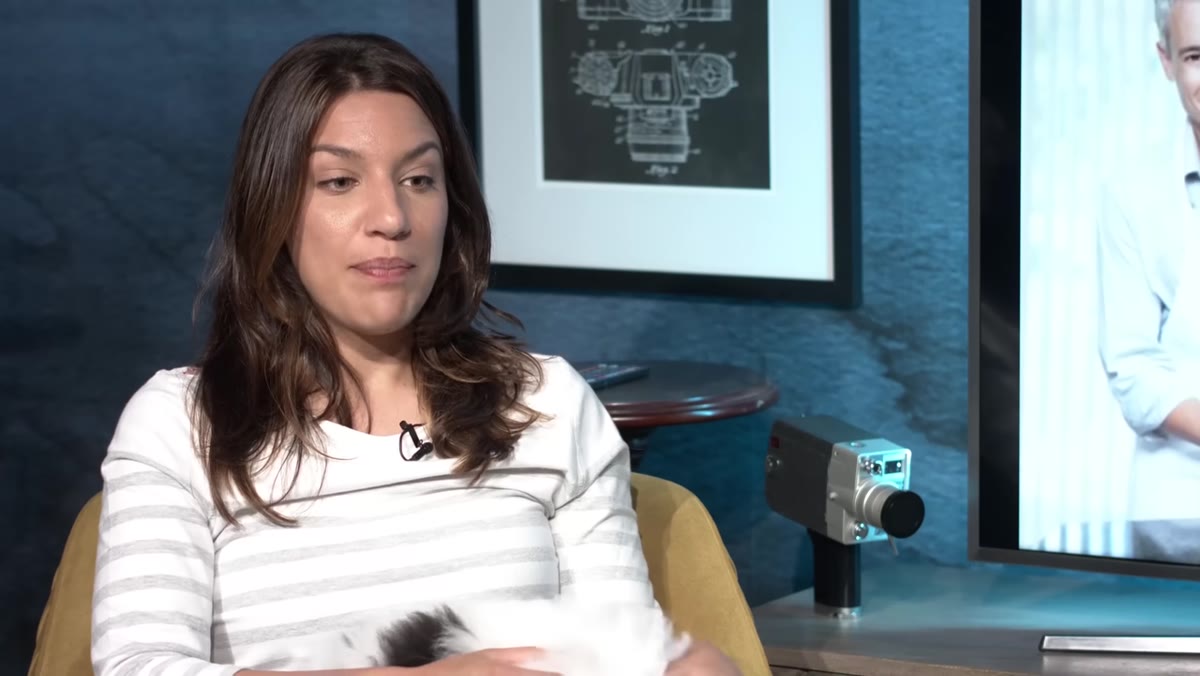 Tony defining stock photography and how it reaches buyers
Stock photography is a speculative medium. You are not shooting for a client brief. You are shooting for an imagined future use case, which means the images that succeed tend to communicate simple, universal ideas. Tony describes this plainly: a designer needs an image for a web page or a book cover, finds yours on a platform, licenses it for a low fee, and uses it. The photographer almost never knows where it lands. That anonymity is the defining feature of the stock ecosystem, and it has real consequences for anyone creating or using these images in composite work. When you pull a stock asset into a layered file, you are inheriting the entire chain of context that image carries.
Tony defining stock photography and how it reaches buyers
Stock photography is a speculative medium. You are not shooting for a client brief. You are shooting for an imagined future use case, which means the images that succeed tend to communicate simple, universal ideas. Tony describes this plainly: a designer needs an image for a web page or a book cover, finds yours on a platform, licenses it for a low fee, and uses it. The photographer almost never knows where it lands. That anonymity is the defining feature of the stock ecosystem, and it has real consequences for anyone creating or using these images in composite work. When you pull a stock asset into a layered file, you are inheriting the entire chain of context that image carries.
Step 2: Recognize the Creative Logic Behind Generic Stock Setups
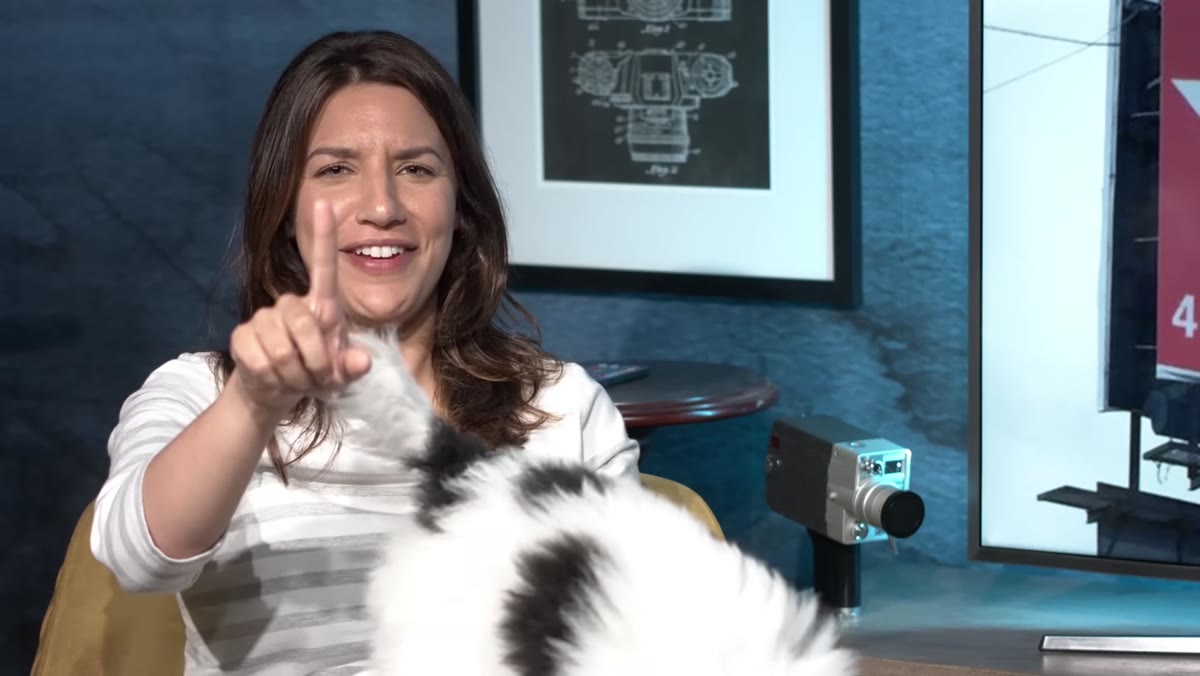 Chelsea and Tony describing the deliberate simplicity of stock poses
The Northrups talk about shooting deliberate, almost absurdly simple setups: a person holding up one finger, two fingers, three fingers, making eye contact with the camera. It sounds reductive until you understand the reasoning. Eye contact commands attention. A single gesture communicates a number, a concept, a mood without ambiguity. These images are designed to slot into any layout a designer can imagine. For compositors, this is actually an important lesson in isolation. The best stock assets are shot against clean backgrounds with neutral, directionless light precisely because that flexibility is what makes them useful. When you’re shooting your own assets for a composite, borrowing this logic, strong directional eye contact, simple gesture, controlled negative space, will make your raw material easier to integrate.
Chelsea and Tony describing the deliberate simplicity of stock poses
The Northrups talk about shooting deliberate, almost absurdly simple setups: a person holding up one finger, two fingers, three fingers, making eye contact with the camera. It sounds reductive until you understand the reasoning. Eye contact commands attention. A single gesture communicates a number, a concept, a mood without ambiguity. These images are designed to slot into any layout a designer can imagine. For compositors, this is actually an important lesson in isolation. The best stock assets are shot against clean backgrounds with neutral, directionless light precisely because that flexibility is what makes them useful. When you’re shooting your own assets for a composite, borrowing this logic, strong directional eye contact, simple gesture, controlled negative space, will make your raw material easier to integrate.
Step 3: Track Where Your Images Actually Appear
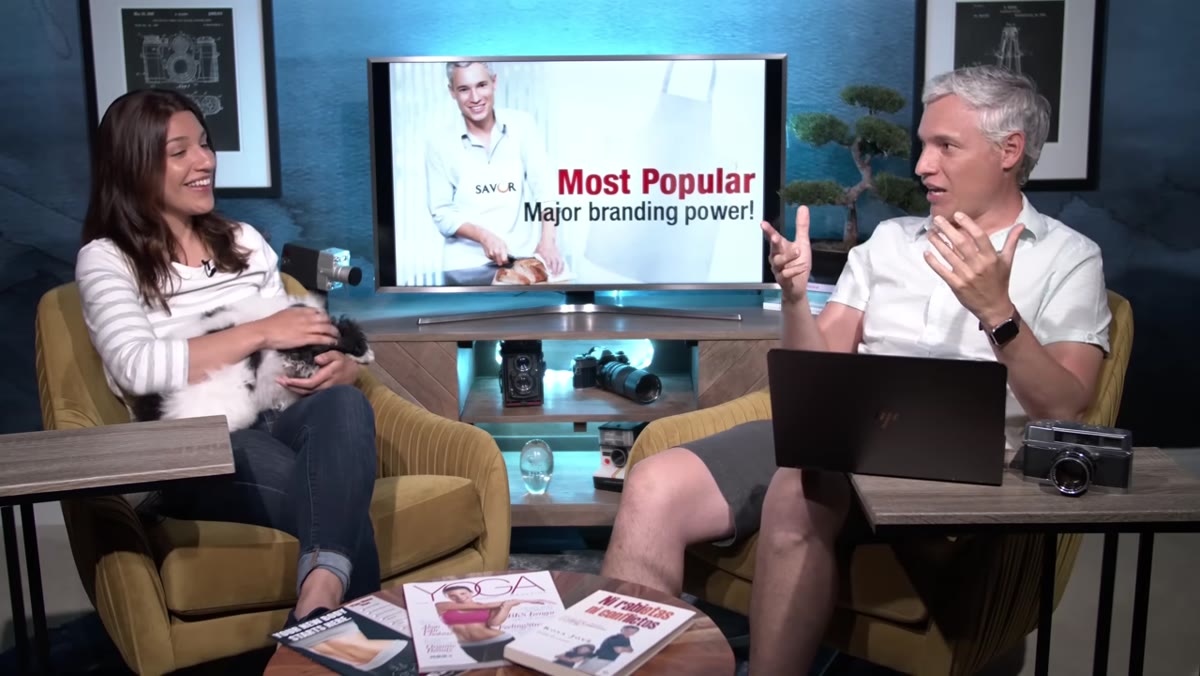 Tony showing examples of his own photos found in unexpected placements
Tony describes digging through thousands of real-world uses of his images and finding them in places that were surprising, flattering, bizarre, or worse. He found his own face on a billboard overseas, his image used to imply a brand endorsement he never agreed to, and photos of himself with his daughter repurposed for book covers about family conflict. This is not a passive footnote. Reverse image search is a free tool. Google Images, TinEye, and Bing Visual Search all allow you to upload or paste an image URL and find indexed uses across the web. If you are licensing your own photography as stock, running these searches quarterly gives you a realistic picture of how your work is being used and whether those uses fall within your license terms.
Tony showing examples of his own photos found in unexpected placements
Tony describes digging through thousands of real-world uses of his images and finding them in places that were surprising, flattering, bizarre, or worse. He found his own face on a billboard overseas, his image used to imply a brand endorsement he never agreed to, and photos of himself with his daughter repurposed for book covers about family conflict. This is not a passive footnote. Reverse image search is a free tool. Google Images, TinEye, and Bing Visual Search all allow you to upload or paste an image URL and find indexed uses across the web. If you are licensing your own photography as stock, running these searches quarterly gives you a realistic picture of how your work is being used and whether those uses fall within your license terms.
Step 4: Know the Difference Between What a License Permits and What Actually Happens
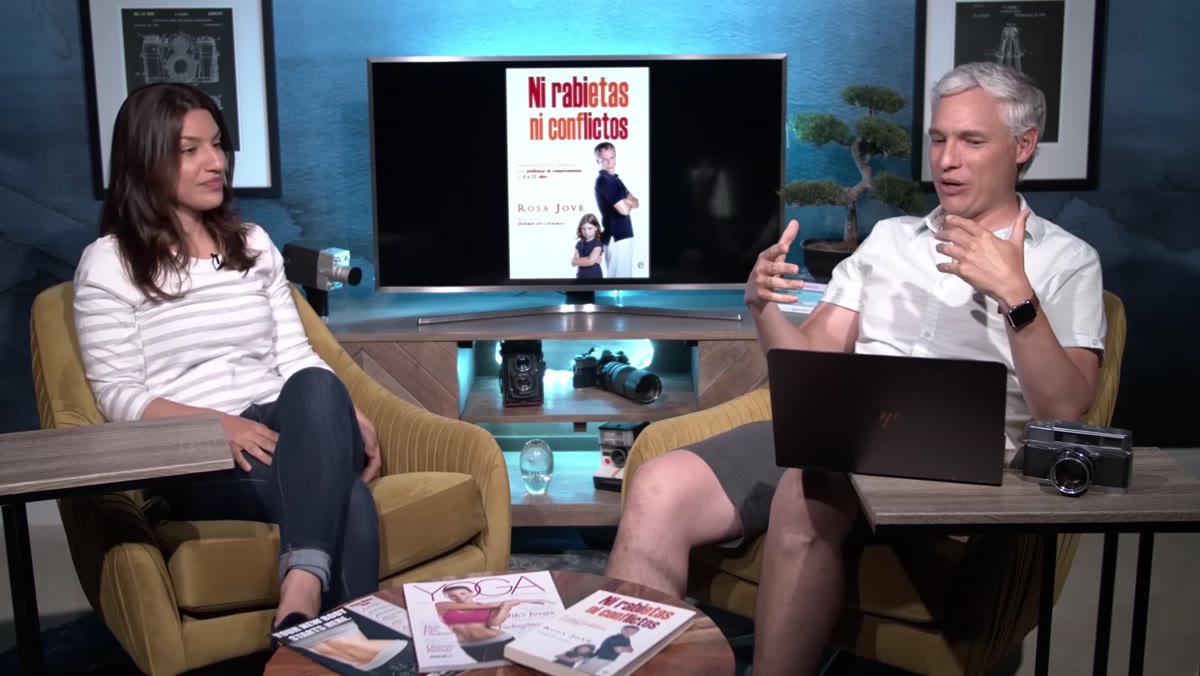 Discussion of image being used in ways the photographer did not anticipate
The Northrups describe photos appearing in commercial contexts that imply personal endorsement. A stock license does not grant the right to imply that the photographed person endorses a product or service. That distinction, between commercial use of an image and commercial use that implies endorsement, is the line a model release is designed to define. If you are sourcing stock for a composite campaign, especially anything involving a recognizable face placed near a product, brand name, or quote, you need to verify not just that the image is licensed for commercial use but that the underlying model release covers the specific way you plan to use it. Many stock platforms display release status on each asset page. Check it. The liability does not stay with the original photographer once you’ve built something on top of that asset.
Discussion of image being used in ways the photographer did not anticipate
The Northrups describe photos appearing in commercial contexts that imply personal endorsement. A stock license does not grant the right to imply that the photographed person endorses a product or service. That distinction, between commercial use of an image and commercial use that implies endorsement, is the line a model release is designed to define. If you are sourcing stock for a composite campaign, especially anything involving a recognizable face placed near a product, brand name, or quote, you need to verify not just that the image is licensed for commercial use but that the underlying model release covers the specific way you plan to use it. Many stock platforms display release status on each asset page. Check it. The liability does not stay with the original photographer once you’ve built something on top of that asset.
Step 5: Use Stock Misuse as a Masterclass in Compositional Context
 Tony describing the “drugging our children” book cover photo used unexpectedly
One of the more striking examples the Northrups share is a photo Tony shot of himself handing his daughter a pill with a glass of water. It was an innocent setup. It became a book cover with a title that reframed the entire image as something concerning. This is not just a funny anecdote. It is a precise demonstration of how context controls meaning in any composite. The image itself did not change. The surrounding elements, a title, a designer’s layout, a bookstore shelf, transformed its reading entirely. When I’m assembling a composite, I think about this constantly. A figure that reads as confident in isolation can read as threatening depending on what you place around them. Light direction, color grading, environmental context, these are not decorative choices. They are the story.
Tony describing the “drugging our children” book cover photo used unexpectedly
One of the more striking examples the Northrups share is a photo Tony shot of himself handing his daughter a pill with a glass of water. It was an innocent setup. It became a book cover with a title that reframed the entire image as something concerning. This is not just a funny anecdote. It is a precise demonstration of how context controls meaning in any composite. The image itself did not change. The surrounding elements, a title, a designer’s layout, a bookstore shelf, transformed its reading entirely. When I’m assembling a composite, I think about this constantly. A figure that reads as confident in isolation can read as threatening depending on what you place around them. Light direction, color grading, environmental context, these are not decorative choices. They are the story.
What I’d Add From My Own Work
The Northrups approach stock from the photographer’s side of the transaction. My angle is the compositor’s side, and from here the lesson sharpens into something more specific: the images you pull into a composite carry histories you cannot see. I keep a reference library with thousands of assets organized by lighting angle, skin tone range, and shadow quality. But I’ve started adding a second layer of metadata: source platform, license type, release status. It takes ten extra seconds per asset and has saved me from two potential licensing conflicts in the last year alone. Beyond the legal piece, thinking about where a stock image has already appeared changes how I use it. If an image is ubiquitous, it carries associations your client will feel even if they cannot name them. Sometimes the right call is to shoot the asset yourself. I sketch every composite on paper before I open Photoshop, and that sketch phase is now where I flag which elements need custom photography versus stock sourcing.
The single most important idea in this tutorial is deceptively simple: your image will be used in a context you cannot control, and that context will determine its meaning. Whether you are the photographer licensing the work or the compositor building something new from it, the meaning of an image is never fixed. It belongs to whoever assembles the frame around it.
Watch the full tutorial on YouTube and pay attention to the specific examples Tony and Chelsea pull up. The laughs are real, but the craft lessons underneath them are worth your full attention.
Comments (1)
Just subscribed. If the rest of your content is this good, I'm in.
Leave a Comment